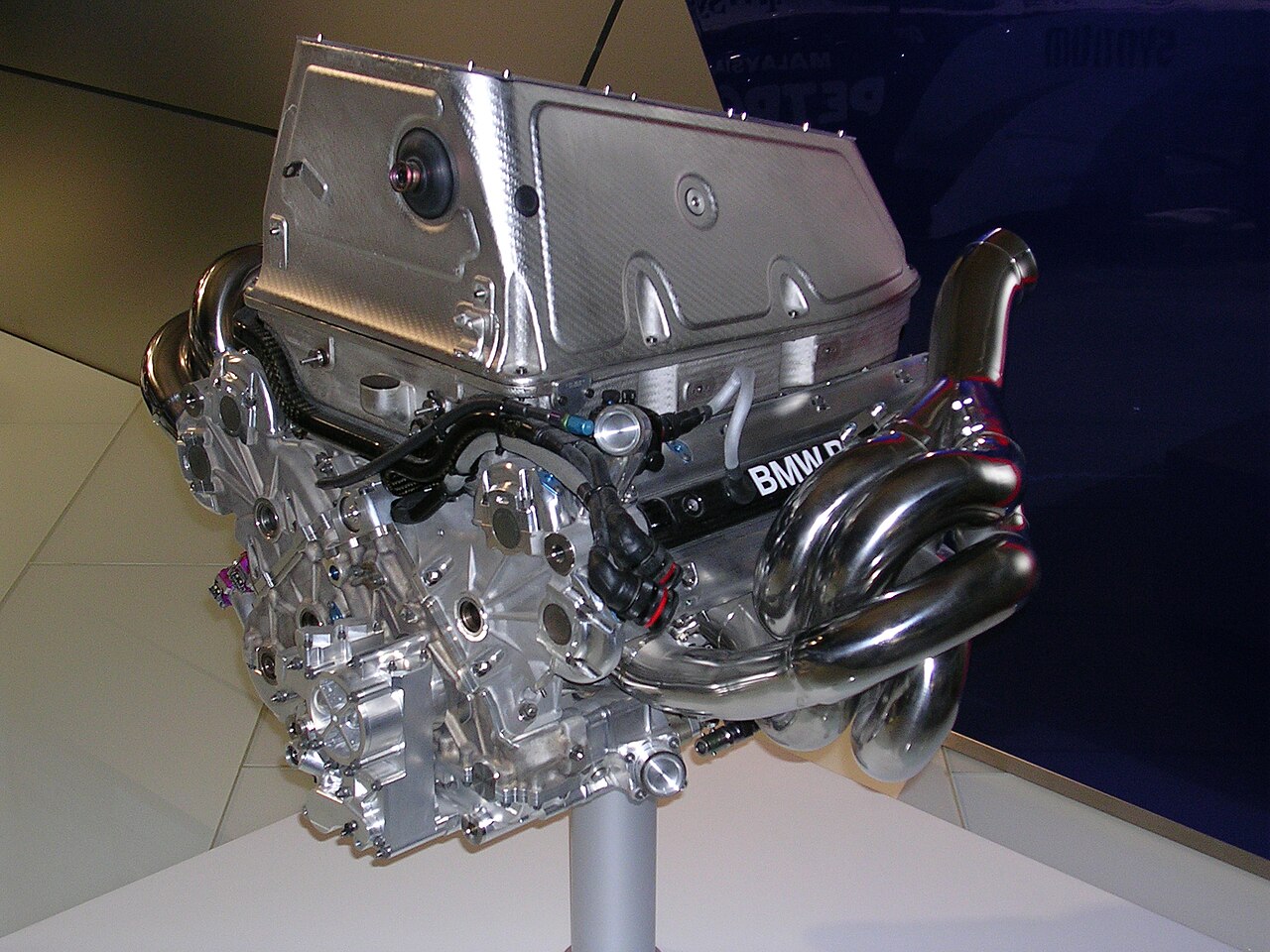
Formula 1 will switch to 2.1-litre turbocharged V8 engines in 2030, after the FIA announced on Friday that the sport and all its engine manufacturers had agreed the plan.
The move ends the current V6 turbo hybrid rules, which only began this season, a year earlier than planned. The next set of engine rules had been due in 2031.
What the new engine looks like
The 2.1-litre size comes from adding two cylinders to the current 1.6-litre V6, which is meant to keep development costs down.
The electric part will be much smaller than this year. Its power is set to be 200kW, with half of that saved for an overtaking mode, according to BBC Sport and Autosport.
The FIA said the engine would be less complex, lighter and cheaper than today's, and keep running on sustainable fuels. It also plans a lighter, more agile car to go with it.
FIA president Mohammed Ben Sulayem called it "an opportunity to reconnect with the DNA of this championship".
Why F1 is changing
This year's engines split their power almost equally between the petrol engine and the battery. Drivers have complained that cars run short of electrical energy and lose speed before the end of long straights.
A planned announcement on Tuesday was pulled before the FIA confirmed the deal on Friday. Some details, including the engines' cost cap, are still to be settled.
The turbo stays partly because the manufacturers wanted it and partly to save fuel. That means the new V8s may not be as loud as the ones F1 used from 2006 to 2013.
Cadillac waits for 2030
The change also shifts General Motors' plans. It had aimed to build its own engine for the Cadillac team from 2029 under the current rules.
GM will now make its debut as an engine maker in 2030 with a V8. Cadillac, which races with Ferrari engines this year, will keep using them until then.
What happens next
The rules still have to be formally approved by the FIA's World Motor Sport Council before they are final.
Race it on Late Brake
The engines in Late Brake won't change in 2030, and none of its six real circuits is going anywhere: Spielberg, Monza, Silverstone, Spa-Francorchamps, Monaco and Interlagos. Take Monza's long straights in the cockpit camera and use the braking boards to judge the chicanes.
Sources: BBC Sport, Autosport, Motorsport.com, The Race, Autosport: Cadillac